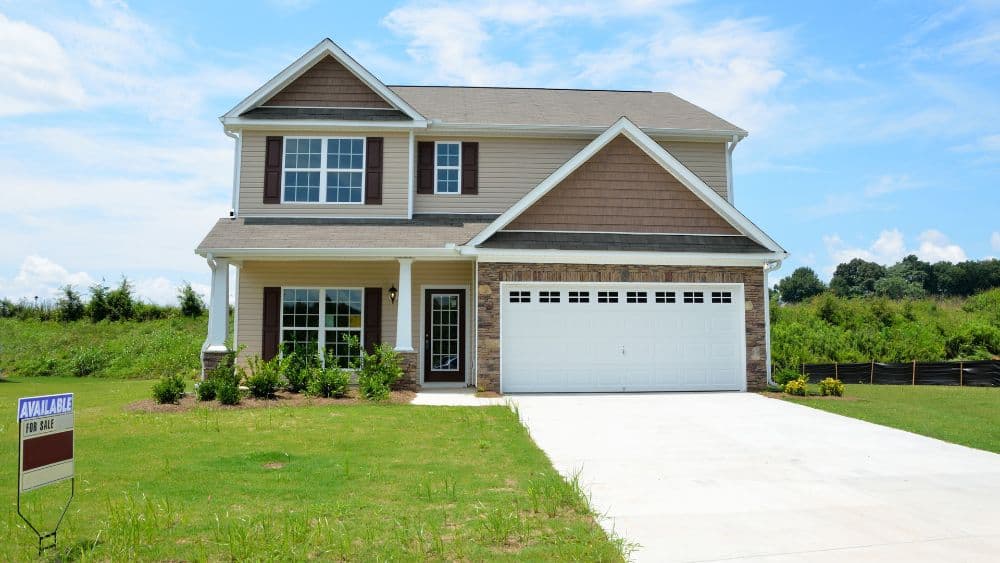
Quick answer: Yes — you should always get a home inspection on a new construction home in Florida. Builder warranties only cover defects you find and report in time. Smart buyers in Lakewood Ranch, Wellen Park, Sarasota, and Bradenton schedule three inspections: a pre-drywall, a final pre-closing, and an 11-month warranty inspection.
Do you need a home inspection on new construction in Florida? Yes — and not just one. You're buying new construction in Lakewood Ranch, Wellen Park, Lakewood National, or one of the other fast-growing communities along Florida's Gulf Coast. The home is brand new. The builder is reputable. There's a one-year warranty.
So do you really need a new construction home inspection?
Yes. And not just one.
Buyers who skip inspections on new construction frequently end up paying for repairs the builder would have fixed under warranty — if the issues had been caught during the builder's response window. Florida new builds also have a long pattern of specific issues that show up regardless of builder reputation: drainage problems, missing insulation, improperly installed roof flashing, electrical and plumbing shortcuts, and HVAC sizing mistakes.
Here's what every Florida new construction buyer should know.
Why New Construction Homes Still Need Inspections
A common misconception is that new homes are inspected by the city or county and that those inspections catch defects. They don't.
Municipal inspectors verify code compliance — and only at specific stages. They don't verify quality of installation, completeness of work, or whether the systems actually function correctly. Their job is "did the framer use the right size lumber" — not "did the framer hang every joist hanger correctly."
A private home inspector does what the municipal inspector doesn't:
- Tests every system end-to-end
- Documents installation quality
- Photographs defects with clear severity assessments
- Provides a written report you can submit to the builder
The cost of a new construction inspection is small relative to the value of catching even one issue under warranty.
The Three Inspections Smart New Construction Buyers Schedule
For maximum protection, new construction buyers in Sarasota, Bradenton, and Lakewood Ranch should plan on three separate inspections.
1. Pre-Drywall Inspection (Optional but Valuable)
After framing, plumbing rough-in, electrical rough-in, and HVAC ductwork — but before drywall goes up — much of the home's structure and systems are still visible. This is the only chance to evaluate:
- Framing connections and structural integrity
- Plumbing supply and drain layout
- Electrical wiring, junction boxes, and panel work
- Ductwork sizing and routing
- Insulation in exterior walls (before it's hidden)
- Window and door flashing
- Hurricane straps and connectors
Once drywall closes the walls, these systems are buried. A pre-drywall inspection catches issues that would otherwise be impossible to verify.
2. Final Pre-Closing Inspection (Essential)
Performed within 1–2 weeks of closing, after the builder's punch list but before you sign the documents. This is the inspection most new construction buyers schedule, and it's the most important.
A final pre-closing inspection covers everything a standard inspection covers. See our full breakdown of what a home inspection covers in Florida.
3. 11-Month Warranty Inspection (Highly Recommended)
Builder warranties typically cover defects for one year. The 11-month inspection — performed about 30 days before the warranty expires — is your last chance to identify defects the builder is obligated to repair at no cost to you.
Many issues show up only after the home has settled, gone through one full Florida summer, and weathered an hurricane season or two. Skipping this inspection often means paying out of pocket for repairs that should have been the builder's responsibility.
Common Issues Found on New Construction in Florida
Every builder makes mistakes. Most of them are unintentional. The pattern is consistent enough that experienced inspectors know exactly where to look.
Roof Defects
- Improperly installed flashing around penetrations
- Missing or insufficient sealant
- Nails driven too deep or not deep enough
- Mismatched shingle batches
- Soffit and fascia gaps
- Drip edge installation issues
The roof is the single most expensive thing on a Florida home, and it's where new construction defects most often hide.
Plumbing Shortcuts
- Improperly sloped drain lines
- Loose fittings under sinks
- Missing or improper p-traps
- Hot and cold lines reversed
- Toilets not properly sealed
- Active leaks at supply connections
- Water heater installation issues
Electrical Problems
- Improperly grounded outlets
- Reversed polarity
- Missing GFCI in required locations
- Loose connections in the panel
- Mislabeled or unlabeled breakers
- Outlets that simply don't work
HVAC Sizing and Install
Florida's heat makes HVAC sizing critical. Common issues:
- Undersized systems
- Oversized systems (which short-cycle and fail to dehumidify)
- Improperly sealed ductwork
- Condensate drains that don't drain
- Filters installed in inaccessible locations
- Blocked or kinked refrigerant lines
Insulation Gaps
This is one of the most common findings on Florida new construction. Insulation gaps in attics and exterior walls drive up cooling costs and can cause moisture problems. Inspectors often find:
- Areas with no insulation at all
- Compressed or improperly installed batts
- Missing insulation around can lights and HVAC penetrations
Drainage and Grading
New construction sites in Florida often have grading issues that only become apparent during the first heavy rain.
- Soil sloped toward the foundation
- Downspouts discharging next to the home
- Pool deck drainage issues
- Patio and lanai water pooling
Stucco and Exterior
- Hairline cracking before the home has fully cured
- Improper expansion joints
- Missing weep screeds at the base of walls
- Soft stucco indicating poor application
Doors and Windows
- Doors that don't close properly
- Windows with seal failures already visible
- Missing or improper window flashing
- Sliding door tracks that aren't level
For more on the patterns common across the region, see our list of common home inspection issues found in Florida homes.
What to Do With New Construction Findings
After the inspection, you'll have a written report with photos. Here's the typical workflow.
Before Closing
Provide the report to your builder. Walk through findings together. The builder is generally obligated under contract — and usually willing — to address legitimate defects before closing. For larger items, get repair commitments in writing before signing.
After Closing (Within Warranty)
Submit the report to your builder's warranty department. Most builders have a structured process for warranty claims and will schedule contractors to perform the repairs. Document everything with dates and photos.
At the 11-Month Mark
Schedule the 11-month inspection 30 days before the warranty expires. Submit the new findings to the builder before the warranty closes. After the warranty expires, repairs become your responsibility.
Can a Builder Stop You From Bringing in an Inspector?
No. Florida buyers have the legal right to inspect the property they're purchasing. Some builders attempt to discourage independent inspections, sometimes citing "warranty" or "insurance" reasons. None of these reasons hold up. Bring in your independent inspector.
A reputable builder welcomes independent inspections. It's a sign of confidence in their work.
How Much Does a New Construction Inspection Cost?
Pricing for new construction inspections in Sarasota and Bradenton mirrors standard inspections — typically $350 to $550 for a single-family home. Pre-drywall and 11-month inspections are priced similarly. For full pricing, see our home inspection cost guide for Sarasota and Bradenton.
The cost of even one missed defect almost always exceeds the cost of all three inspections combined.
Frequently Asked Questions
Do I really need a home inspection on new construction?
Yes. New construction homes routinely have defects that builder warranties will fix — but only if you find them and report them in time. The cost of an inspection is small relative to the value of catching even one significant issue under warranty.
When should I schedule a new construction inspection in Florida?
Plan on a final pre-closing inspection (within 1–2 weeks of closing) at minimum. For maximum protection, also schedule a pre-drywall inspection during framing and an 11-month inspection just before the builder warranty expires.
Can the builder be present during the inspection?
Yes, and many builders prefer it. A builder representative can answer questions in real time and address issues immediately. The inspector still works for you — not for the builder.
What if the builder refuses to fix items found during inspection?
Document the refusal in writing. Reputable builders generally honor legitimate warranty claims. If your builder is unresponsive, escalate through their warranty department or, if necessary, consult a real estate attorney.
Is a new construction home likely to fail a four-point inspection?
New homes generally pass four-point inspections without issue, but four-point inspections are typically required only on homes 25+ years old. For more on when four-points are required, see our guide on whether you need a four-point inspection.
How long does a new construction inspection take?
Most new construction inspections take 2–4 hours, similar to a resale inspection. Pre-drywall inspections may be shorter (1.5–2.5 hours) since fewer systems are operational.
What about wind mitigation on a new build?
Absolutely worth doing. New Florida construction generally qualifies for substantial wind mitigation discounts due to current code requirements. Read our guide on what a wind mitigation inspection covers.
Will an inspection delay my closing?
No. Inspections are normally completed in a single visit and reports delivered within 24 hours. Schedule with at least 7–10 days before closing for time to address any findings.
Related Reading for Florida New Construction Buyers
- What does a home inspection cover in Florida?
- How much does a home inspection cost in Florida?
- What does a wind mitigation inspection cover?
- Common home inspection issues in Florida homes
- Should buyers attend the home inspection?
Schedule a New Construction Home Inspection in Sarasota or Bradenton, FL
Mr. Inspector LLC has inspected new construction homes throughout Lakewood Ranch, Wellen Park, Sarasota, Bradenton, Venice, North Port, and the surrounding Gulf Coast. We perform pre-drywall, final pre-closing, and 11-month warranty inspections — with detailed photo reporting that gives you everything you need to hold your builder accountable.
Searching for a new construction home inspector near you in Sarasota or Bradenton? Call or text (941) 356-2311 or email Info@MrInspectorFL.com to schedule your new construction home inspection.