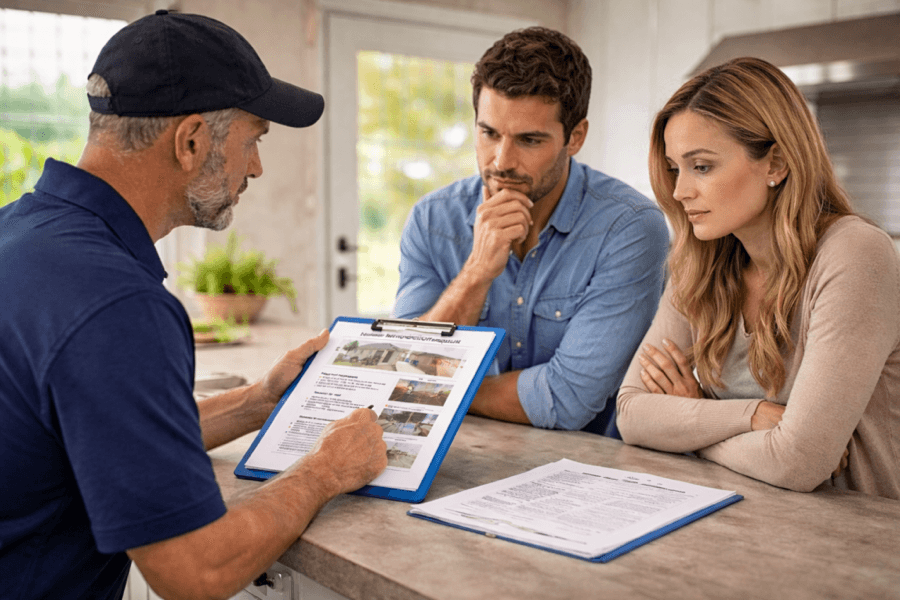
Buying a home is one of the biggest financial decisions most people will make. A home inspection helps buyers understand the condition of a property before completing the purchase. While most inspection reports include minor maintenance items, some findings can signal more serious concerns.
These issues are often referred to as red flags in a home inspection report. Knowing how to identify these warning signs can help buyers make informed decisions and avoid unexpected repair costs after closing.
Below are some of the most common inspection report red flags buyers should understand.
What Is Considered a Red Flag in an Inspection Report?
Not every issue found during a home inspection is a deal breaker. Homes naturally experience wear and tear over time. However, certain findings may indicate major safety concerns, expensive repairs, or hidden damage.
A red flag usually means:
- The issue is expensive to repair
- The issue affects safety
- The issue suggests larger hidden problems
- The issue could impact insurance or financing
Understanding the difference between minor maintenance items and serious issues is key when reviewing your inspection report.
Major Structural Issues
Structural concerns are often considered the most serious findings during a home inspection.
Examples may include:
- Significant foundation cracks
- Structural movement
- Uneven floors
- Framing damage
- Signs of settlement
Structural repairs can be costly and may require specialized contractors or engineers to evaluate further.
While some small foundation cracks are common, larger structural concerns may require additional evaluation before moving forward with the purchase.
Roof Problems That Could Be Expensive
Roof repairs or replacements can be one of the largest unexpected expenses for new homeowners.
Inspectors often look for:
- Missing or damaged shingles
- Roof leaks
- Poor repairs
- Aging roof materials
- Signs of water intrusion in the attic
If a roof is near the end of its service life, buyers may want to negotiate repairs or replacement before closing.
Electrical Safety Concerns
Electrical systems are another area where inspectors frequently identify red flags.
Common electrical concerns include:
- Double tapped breakers
- Outdated electrical panels
- Improper wiring
- Lack of grounding
- Burn marks inside the panel
Electrical issues can create fire hazards and should be taken seriously. In many cases, repairs may require evaluation by a licensed electrician.
Serious Plumbing Issues
Plumbing problems can range from small leaks to major pipe failures.
Inspectors may identify issues such as:
- Active plumbing leaks
- Corroded pipes
- Improper repairs
- Poor drainage
- Water heater problems
Water damage can spread quickly, so it is important to address plumbing concerns early.
Water Damage and Moisture Intrusion
Moisture is one of the most common causes of long-term property damage.
Inspectors look for signs including:
- Water stains on ceilings or walls
- Mold-like growth
- Soft flooring near plumbing fixtures
- Poor exterior drainage
- Moisture in attics or crawl spaces
These issues may indicate hidden leaks or long-term water exposure.
HVAC System Failures
Heating and cooling systems are essential for comfort, especially in Florida's climate.
Common HVAC concerns include:
- Aging systems nearing replacement
- Poor airflow
- Lack of maintenance
- Refrigerant issues
- Non-working components
Replacing an HVAC system can be expensive, so buyers should consider this when reviewing the inspection report.
How Buyers Should Respond to Red Flags
Finding issues in an inspection report does not automatically mean the purchase should be canceled.
Instead, buyers typically have several options:
- Request repairs from the seller
- Negotiate a price reduction
- Request credits at closing
- Ask for additional evaluations
The goal of the inspection is to provide information so buyers can make informed decisions.
When to Walk Away From a Home Purchase
In some cases, inspection findings may be serious enough that buyers decide not to move forward.
This decision often depends on factors such as:
- The cost of repairs
- The number of major issues
- The seller's willingness to negotiate
- The buyer's comfort with potential repairs
A professional inspection gives buyers the knowledge they need to determine whether the home is the right investment.
Local Home Inspections in Bradenton, Sarasota, and Tampa
Buyers in Bradenton, Sarasota, and Tampa often schedule inspections during their contract period to better understand the condition of the home they plan to purchase.
A detailed inspection report can help identify potential issues before closing and give buyers confidence in their decision.
Schedule Your Home Inspection
If you are buying a home in Bradenton, Sarasota, or Tampa, a professional home inspection can help you avoid costly surprises.
Call or text (941) 356-2311 to schedule your inspection.